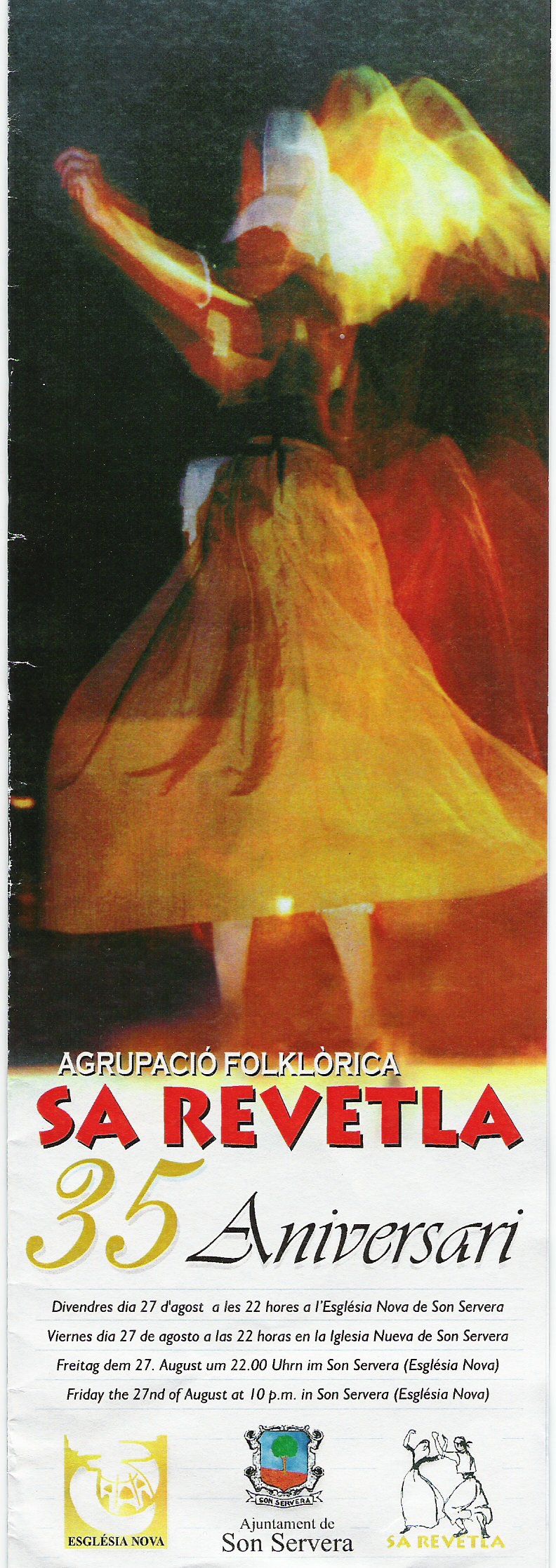
Sa Revetla is a folk dance group from Son Servera dedicated to preserving, passing on and bringing to life the dances, music and popular traditions of Mallorca. Founded on 18 July 1964, over the years it has become a cultural landmark of the municipality and an important part of the living memory of Son Servera.
sortiu totes a ballar,
i fareu ressuscitar
les cançons de temps enrera...
With these verses our performances have begun for more than sixty years. (Sung in Catalan.)
The origins · 1964
We are in 1964, in a small town on the eastern coast of Mallorca, of agricultural tradition but, being on the coast, watching tourism consolidate in the area. For the younger generation this was a moment of change; for others, a source of concern that traditions and popular culture might be lost.
In the eyes of Don Joan Font, then parish priest, the town's young people needed initiatives to bring them together and give them something beyond tourism. This idea of keeping the traditions alive would become the starting point and main goal of the future group.
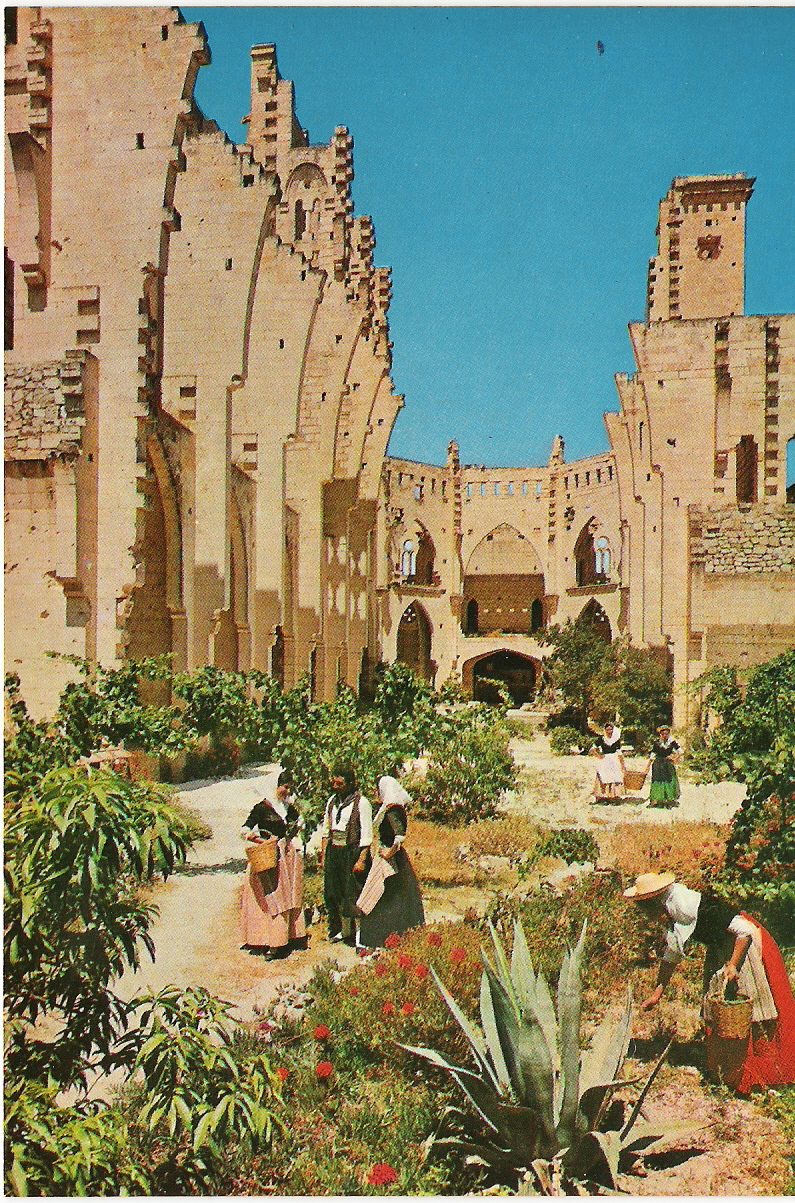
It all began when Don Joan Font attended a Eucharistic congress in Barcelona, where a sacramental play was staged at La Sagrada Família. The performance left him amazed and he immediately thought of the Església Nova of Son Servera — an early-20th-century building designed by Joan Rubió i Bellver, an architect from Gaudí's workshop; unfinished and unused, but very characteristic of the town.
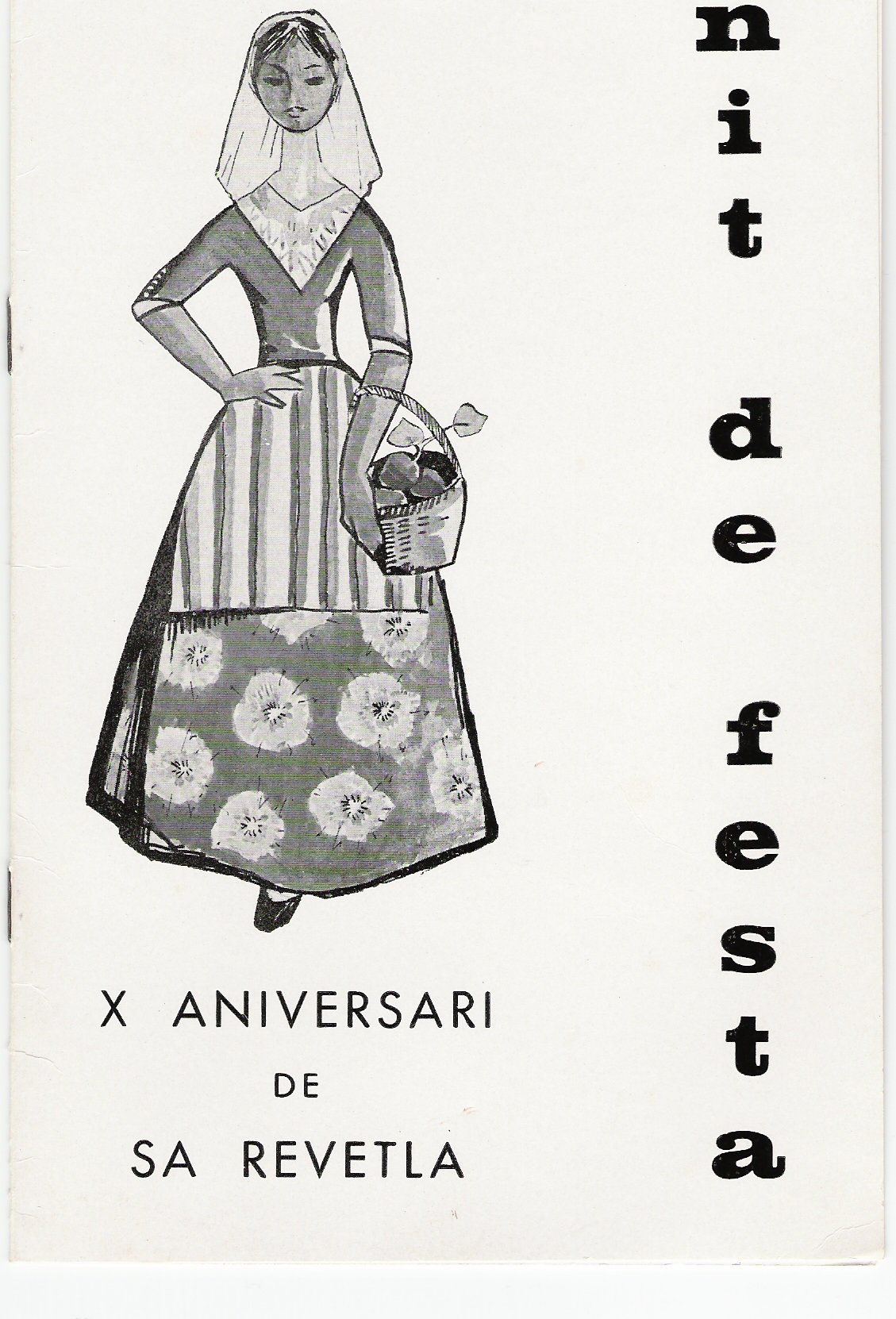
At the same time, a group of young locals was staging the festival-comedy-variety show «Nit de Festa» at the Teatre Unió, with a folk play titled «Hotel Cosmopolita». From this comedy came the idea of preparing regular performances at the Església Nova, and the sacramental play idea gave way to staging Mallorcan folk dance.
Margalida Nebot and the birth of the group
Rafela de Son Carrió told Don Joan Font that a young woman from Son Servera, Margalida Nebot — then a dancer in the Coros y Danzas group —, could teach traditional Mallorcan dances to a group of young people preparing a show at the Teatre Unió. Because of the show's success, the organisers considered running weekly performances. That is how the Revetla was born.
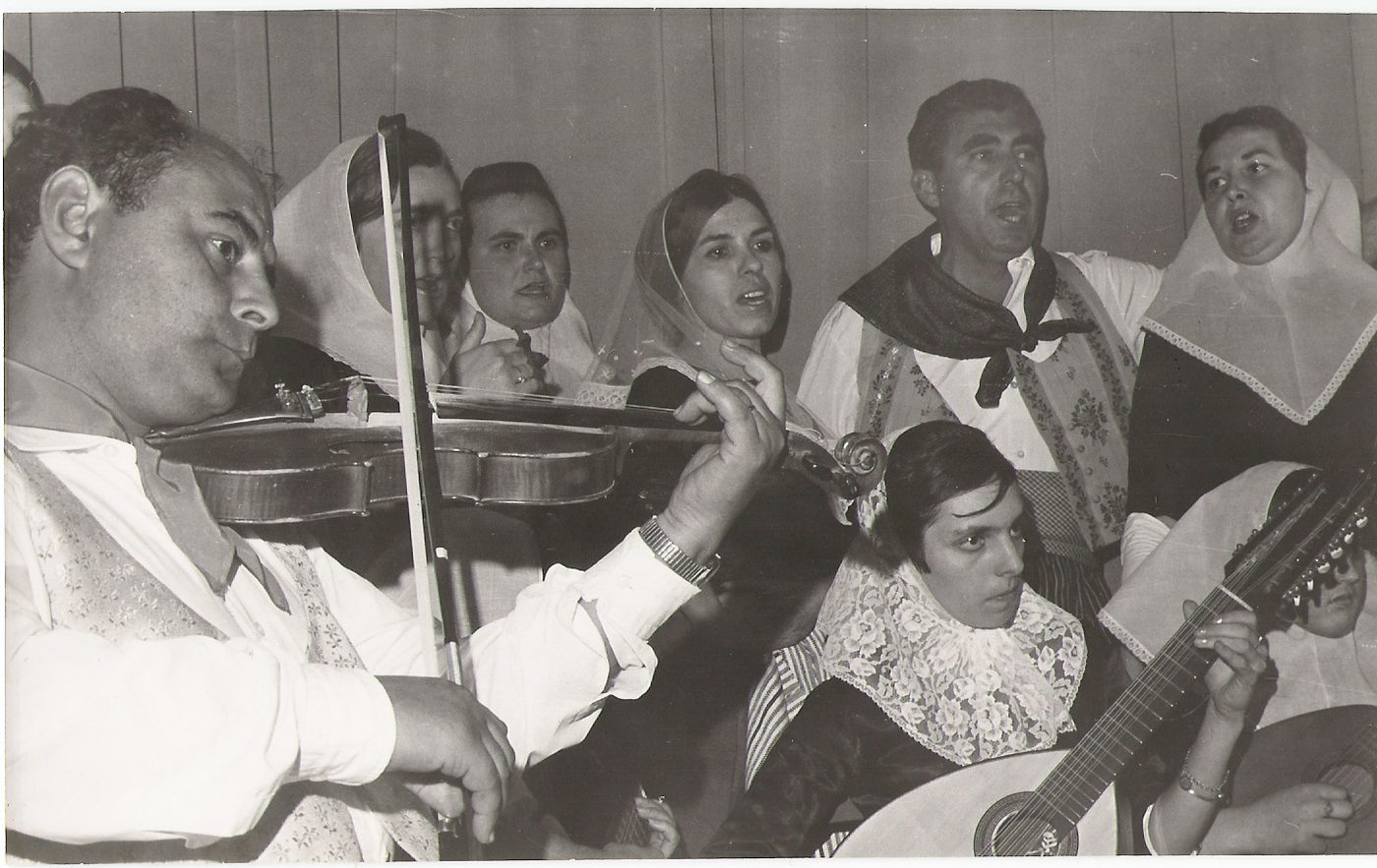
The name Revetla was Don Joan Font's idea: a very Mallorcan word suggesting a festive evening of dance, fitting for the group. Margalida Nebot took over artistic direction, with musical guidance from composer Bartomeu Calatayud, who came to Son Servera one day a week from Valldemossa.
The collaboration with Margalida Nebot was very fruitful. She taught young people, many of whom did not know the traditional dances. Rehearsals took place several times a week — Thursday evenings, Saturday afternoons and Sunday mornings — first at the parish hall and later, once the stage was built, at the Església Nova. One principle was that participants would not be paid: any profit was split three ways — for costumes, as a donation to the church, and for group outings.
The stage: the Església Nova transformed
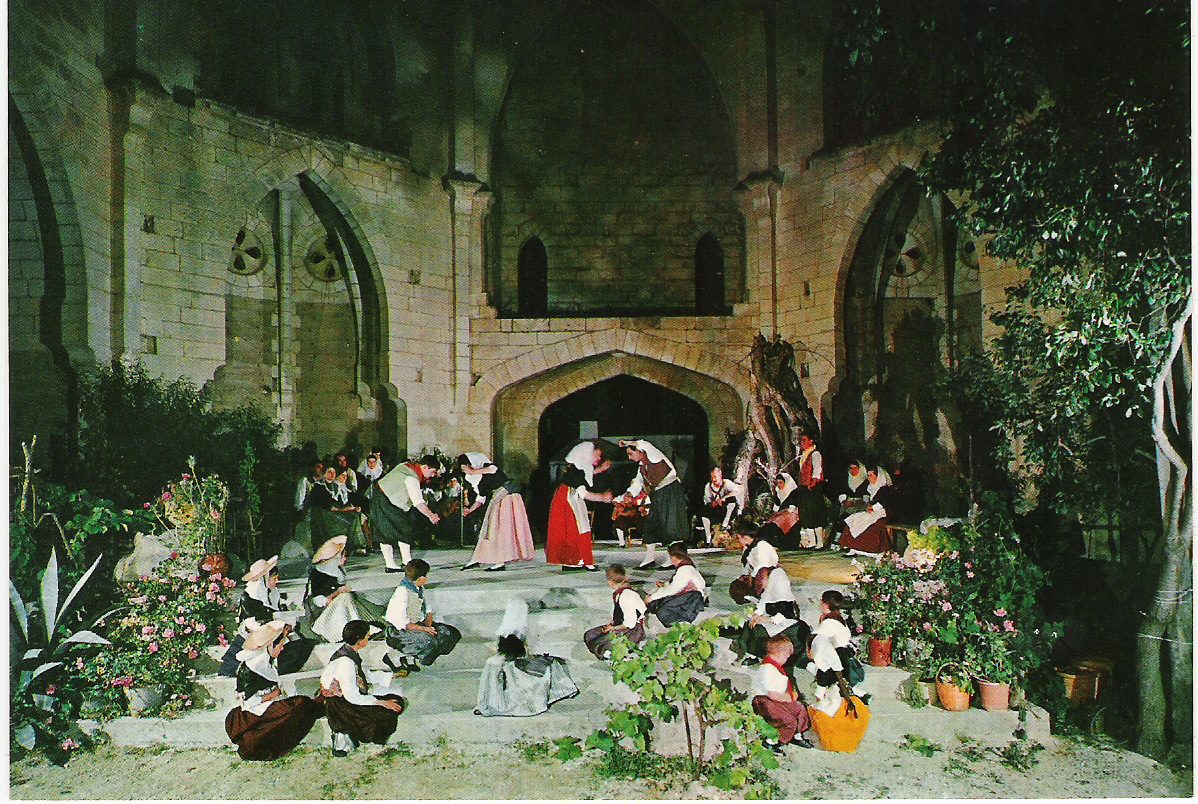
At that time, the Església Nova was the previous parish priest Don Miquel Cifre's garden — with grapevines, a chicken coop and pigeons, and the back was used as a storage area. Many changes were made to adapt it: the vines were pruned but all preserved, they planted four o'clocks, chamomile and a pine tree... creating a very special atmosphere, particularly striking when entering from the street, since from outside almost nothing could be seen.
Building materials were used to construct a concrete stage between the bases of the pillars where the presbytery would have stood, with steps in front, and a huge carob-tree stump was placed on it. A team of people cleaned and cared for the church voluntarily.
For the lighting they relied on Sebastià Roca, an electrician from Petra who worked at Cala Millor hotels, along with Pedro Carrioner. They even devised a contraption consisting of a water rheostat, operated by Joana Leva, to adjust the light intensity.
The folk tableaux
At first, the idea was to stage only a dance show, but Don Joan Font also thought of introducing different folk tableaux. These emerged:
- L'Espadella
- La Balanguera
- La Vermada
- La Ximbomba
- El Vou-veri-vou
- El Flabiol
L'Espadella represented the beating of hemp to separate its fibres; it was staged in a high chapel of the presbytery, with rhythmic music and no instruments. La Balanguera showed the moment immediately after — women spinning.
La Ximbomba and the Vou-veri-vou were staged in a decorated kitchen (built by painter Miquel Vives) in the deep chapel; lighting was very dim, with blue spots suggesting night and a fire in the hearth. El Flabiol was performed by l'amo en Jaques with his herding dog, playing the flute and pretending to tend the sheep while collaborators rang bells.
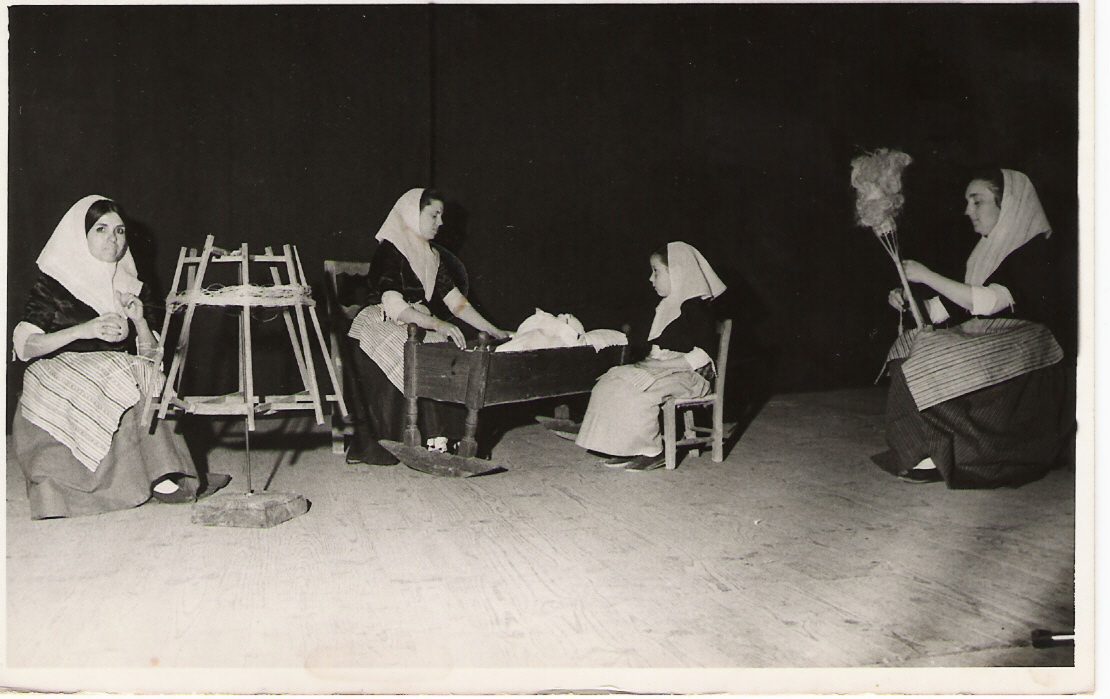
Opening night · 18 July 1964
The first performance was exclusively for the townspeople. For the town, it was the first time they could see the Església Nova cleaned and used as a stage — for many, it was also the first time they had ever set foot inside. It was a success, a much-anticipated event with many families involved.
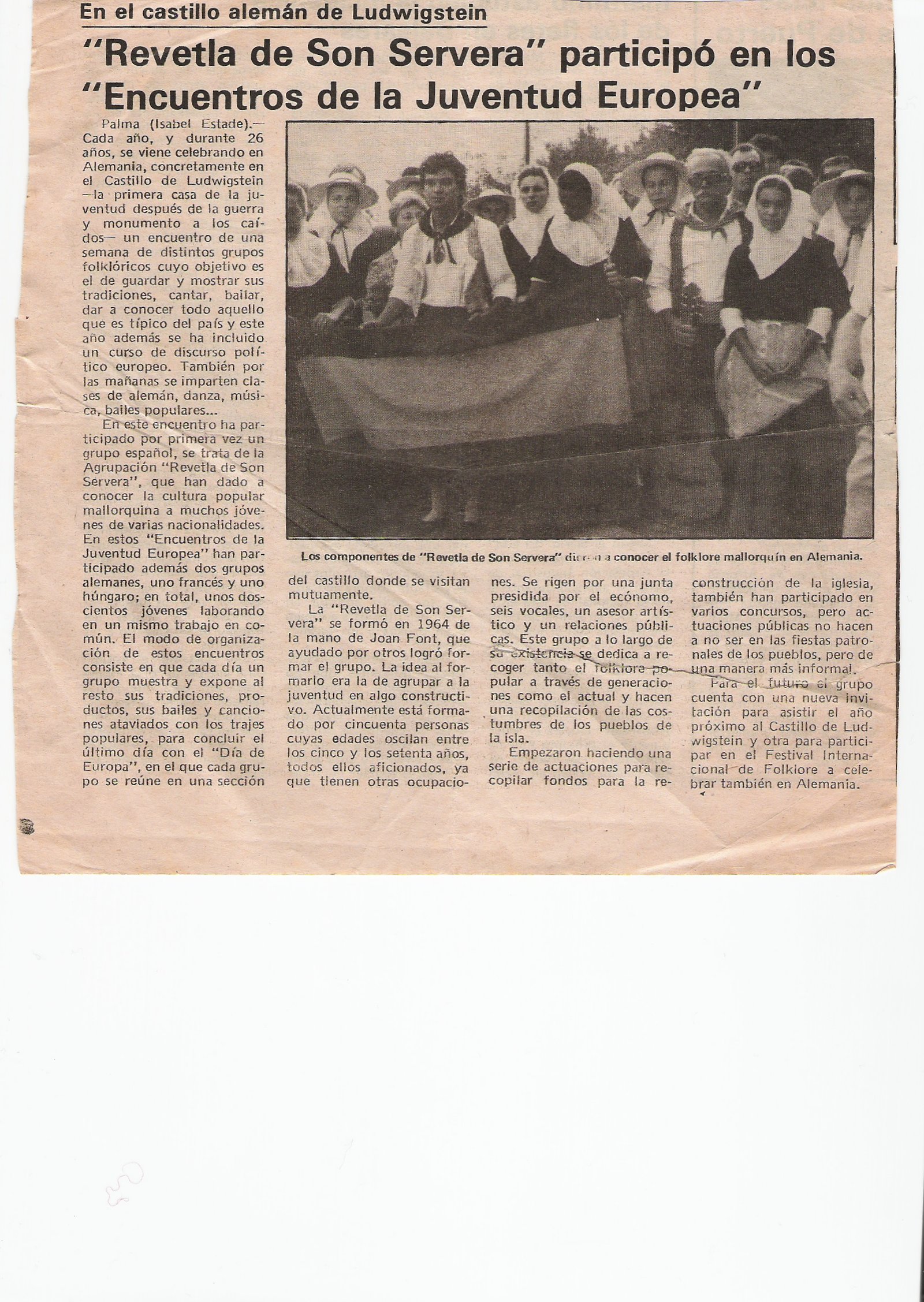
From that night of 18 July 1964, Sa Revetla grew steadily. What was meant to be just a folk dance show would go much further: the group would take part in many contests, festivals and gatherings, not only regional but also national and international.
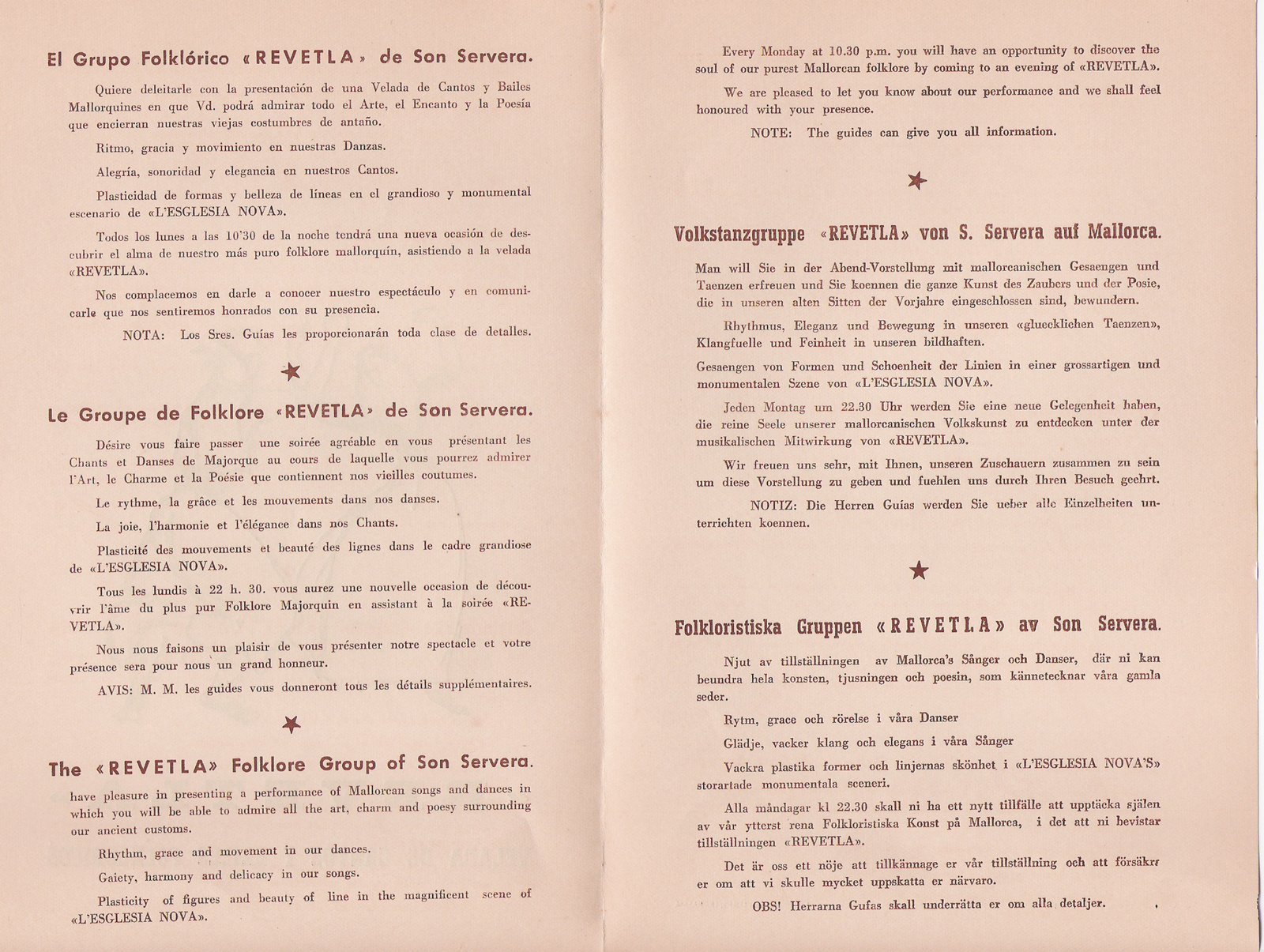
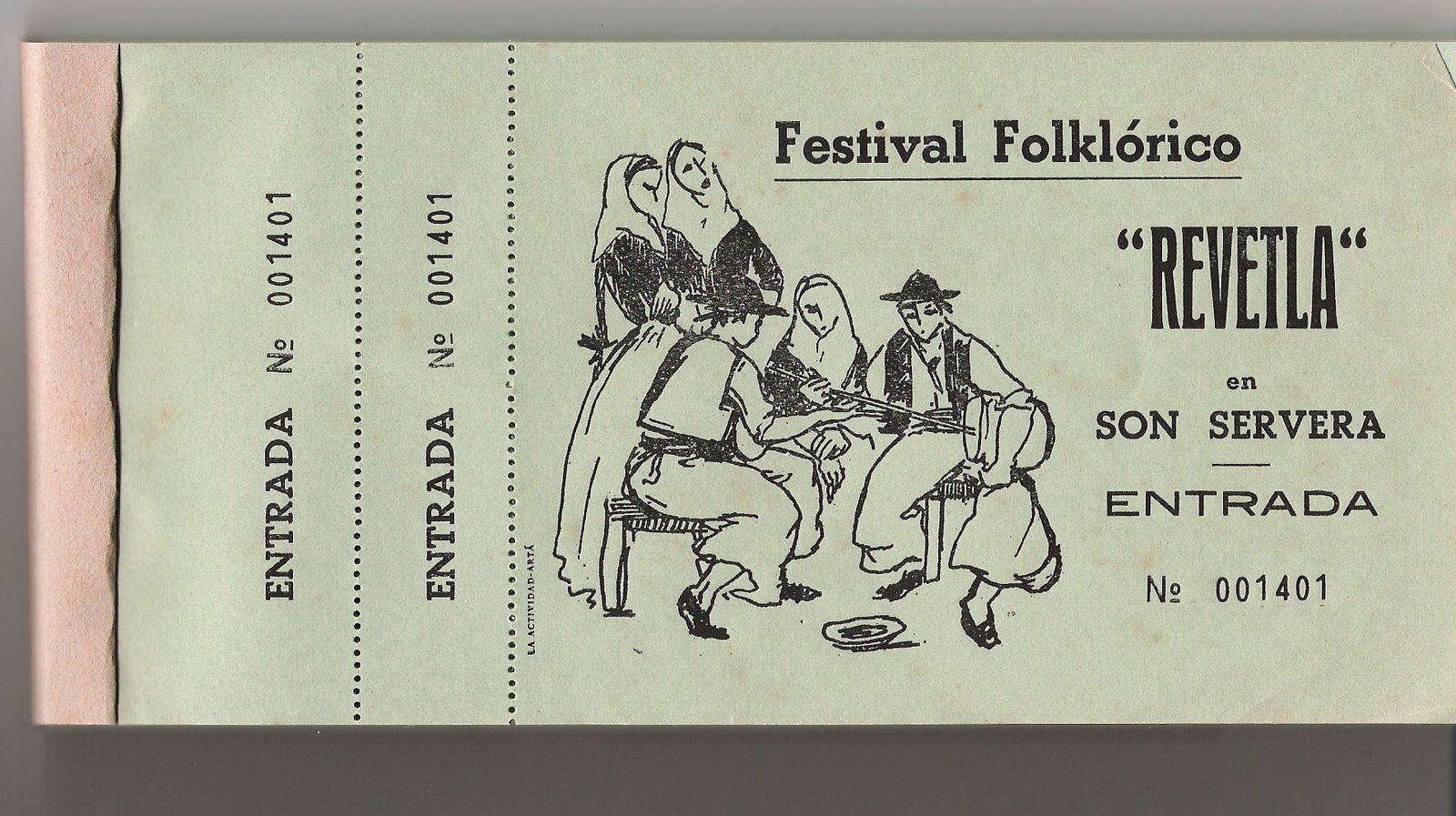
First-night tickets cost 25 pesetas for locals and 75 for foreign visitors. Men sitting in the cafés amused themselves counting the coaches that arrived at the square — up to five. The introduction to the dances, written by Bartomeu Sagrera, was read in Spanish, English and German.
Over six decades on stage
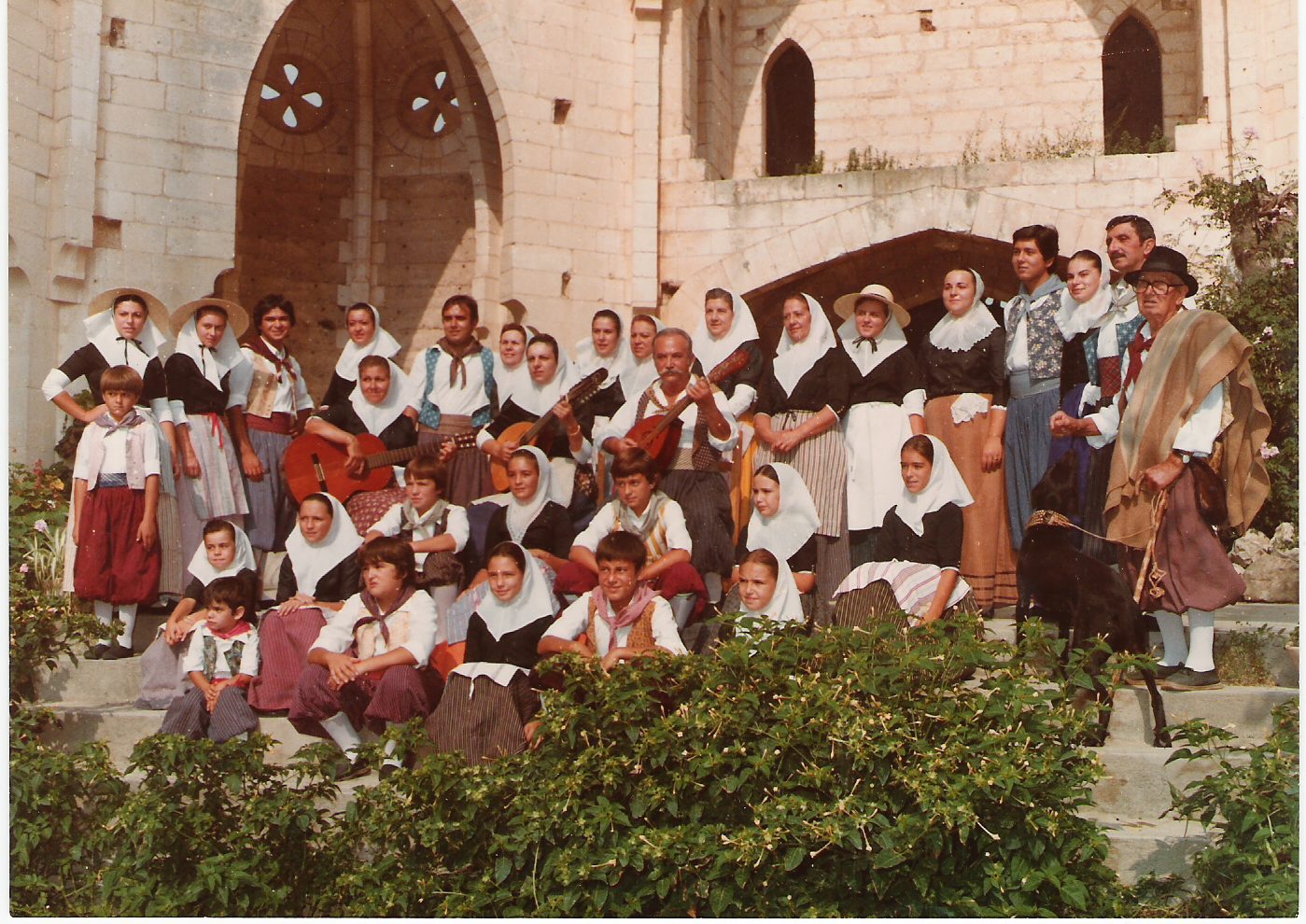
Margalida Nebot, a life devoted to popular culture
Margalida Nebot Vives's figure is inseparable from Sa Revetla's history. Her work went beyond teaching traditional dance: she also stood out for her dedication to researching, preserving and promoting the cultural heritage of Son Servera. For decades she collected photographs, documents and Mallorcan traditional dress related to the town's history and traditions.
In 2024, coinciding with Sa Revetla's 60th anniversary, the Town Council of Son Servera granted her the title of Illustrious Daughter of the Town of Son Servera for her contribution to local culture and folklore.
Our commitment
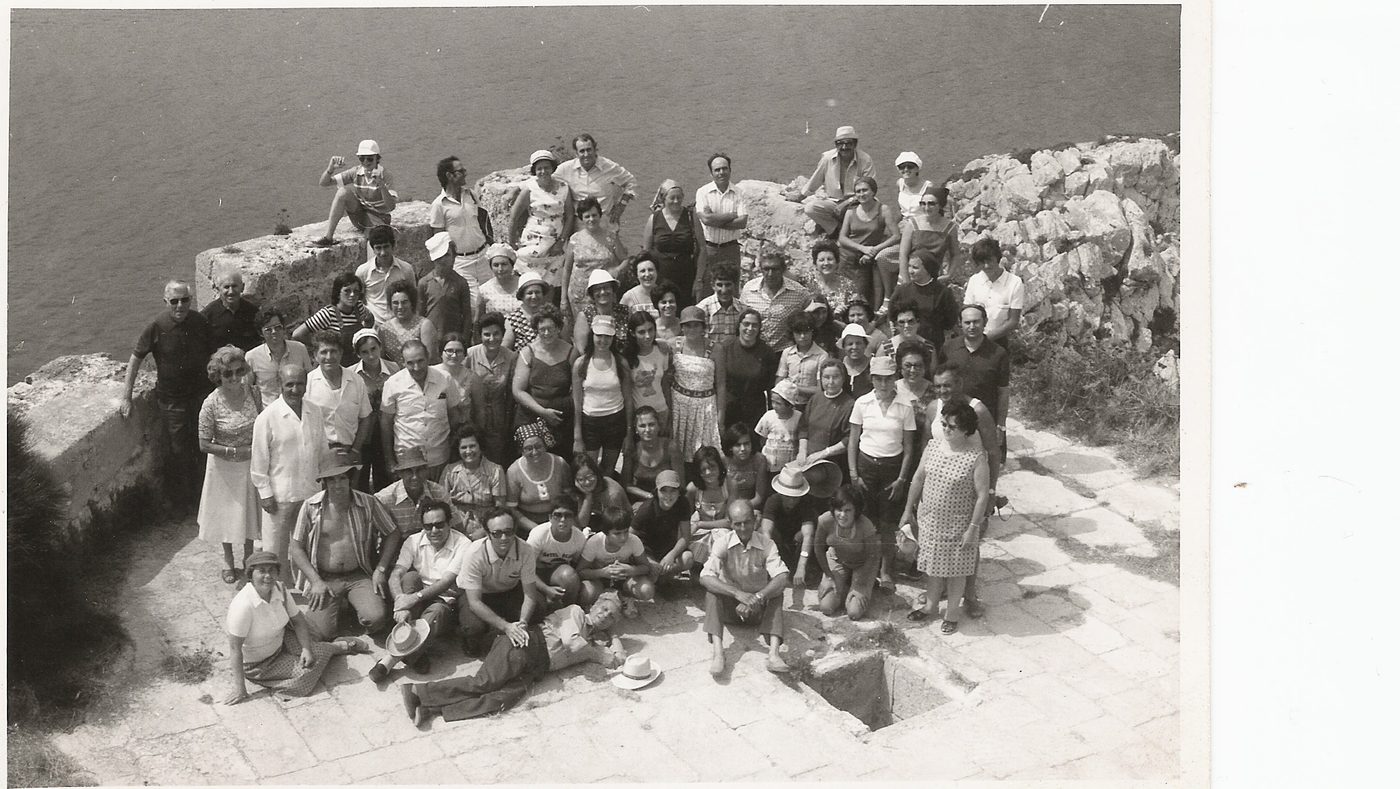
Today, Sa Revetla remains faithful to the commitment that gave it birth: to preserve Mallorcan folklore, pass it on with respect and keep it alive within contemporary society. The group works so that the dances, music, traditional dress and forms of popular expression do not remain merely a memory of the past, but continue to be part of the cultural life of Son Servera.
Sa Revetla is history, but it is also present and future: a way to celebrate roots, share the identity of Son Servera, and keep tradition dancing.
Sa Revetla in the media
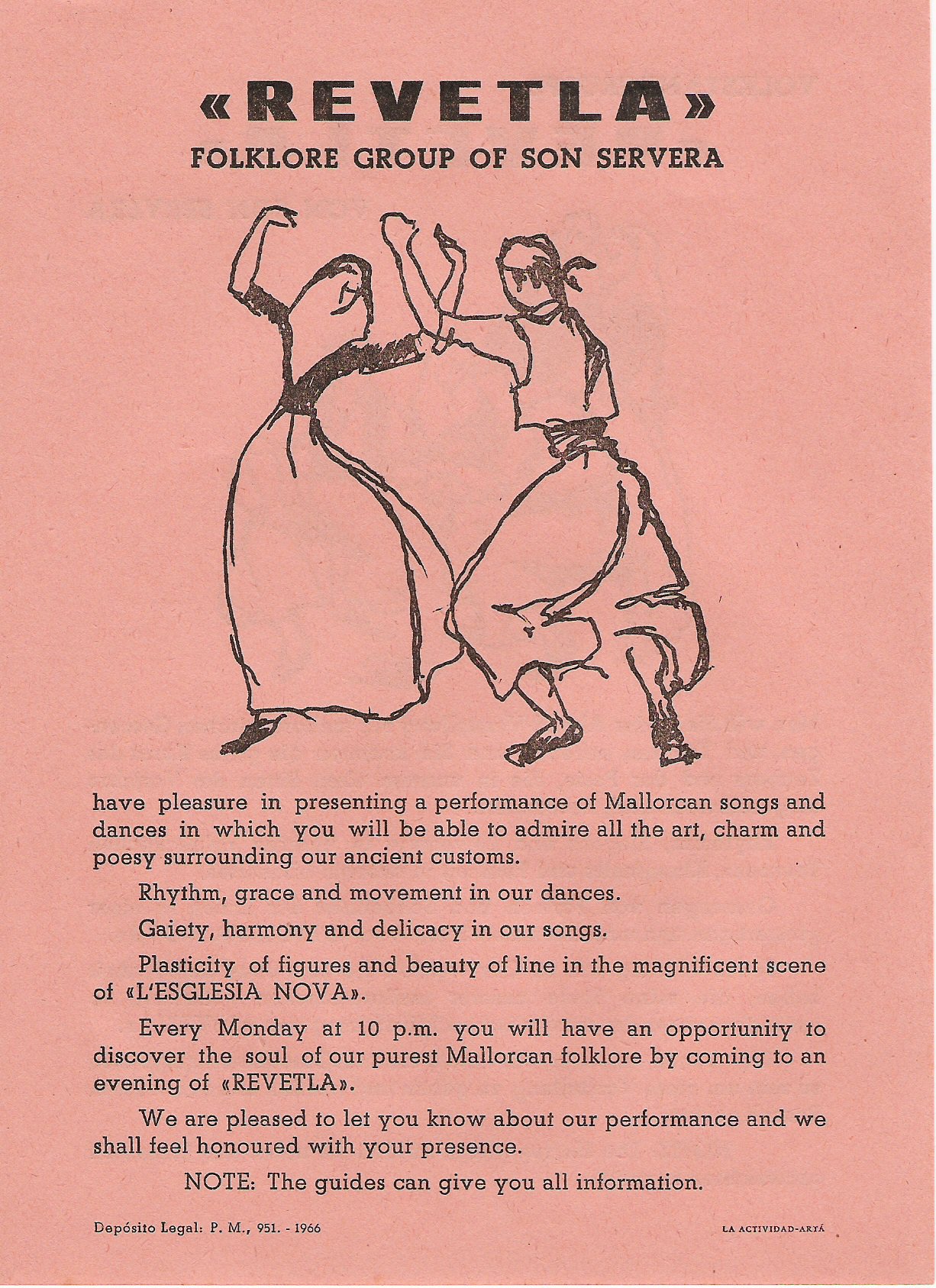
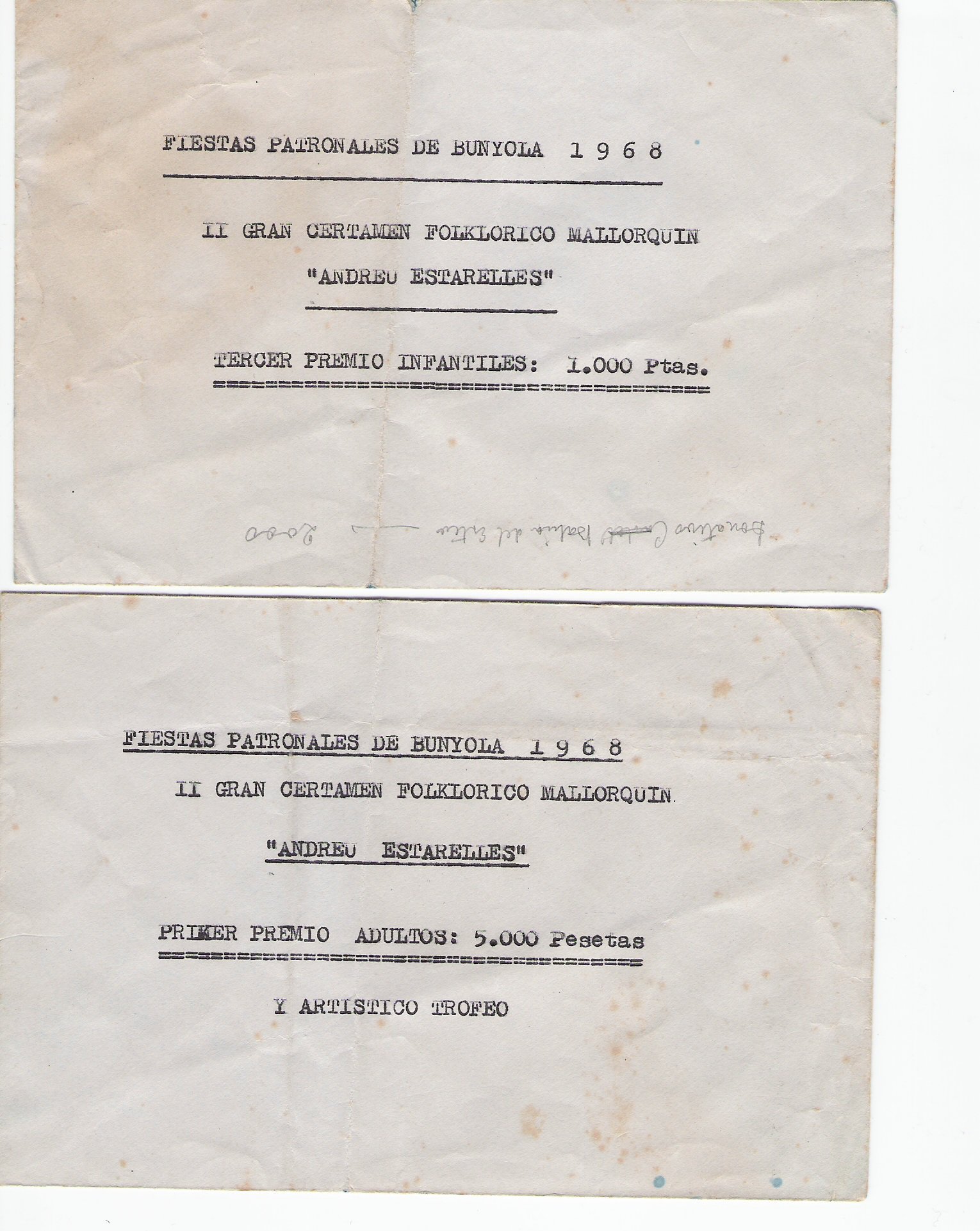
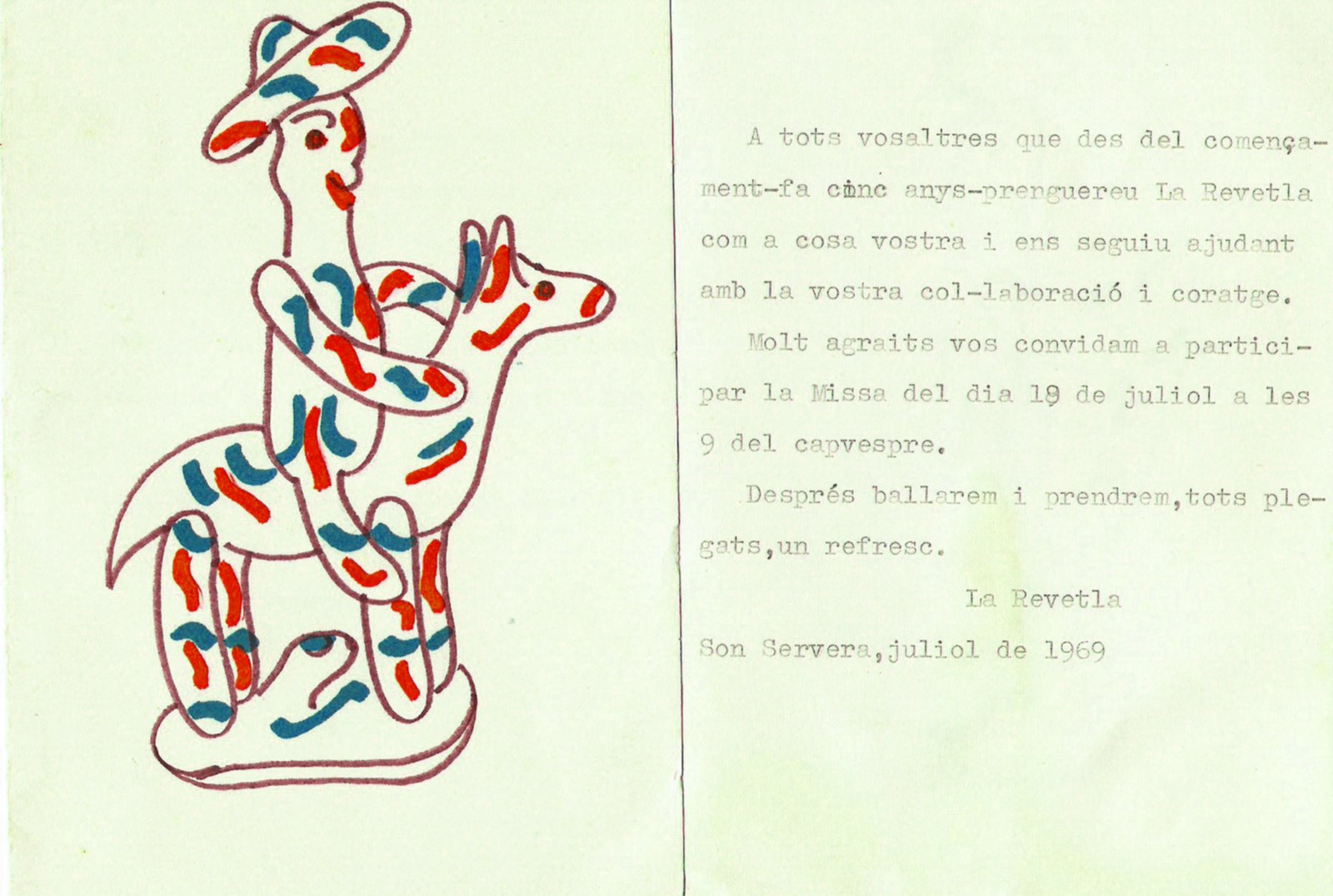
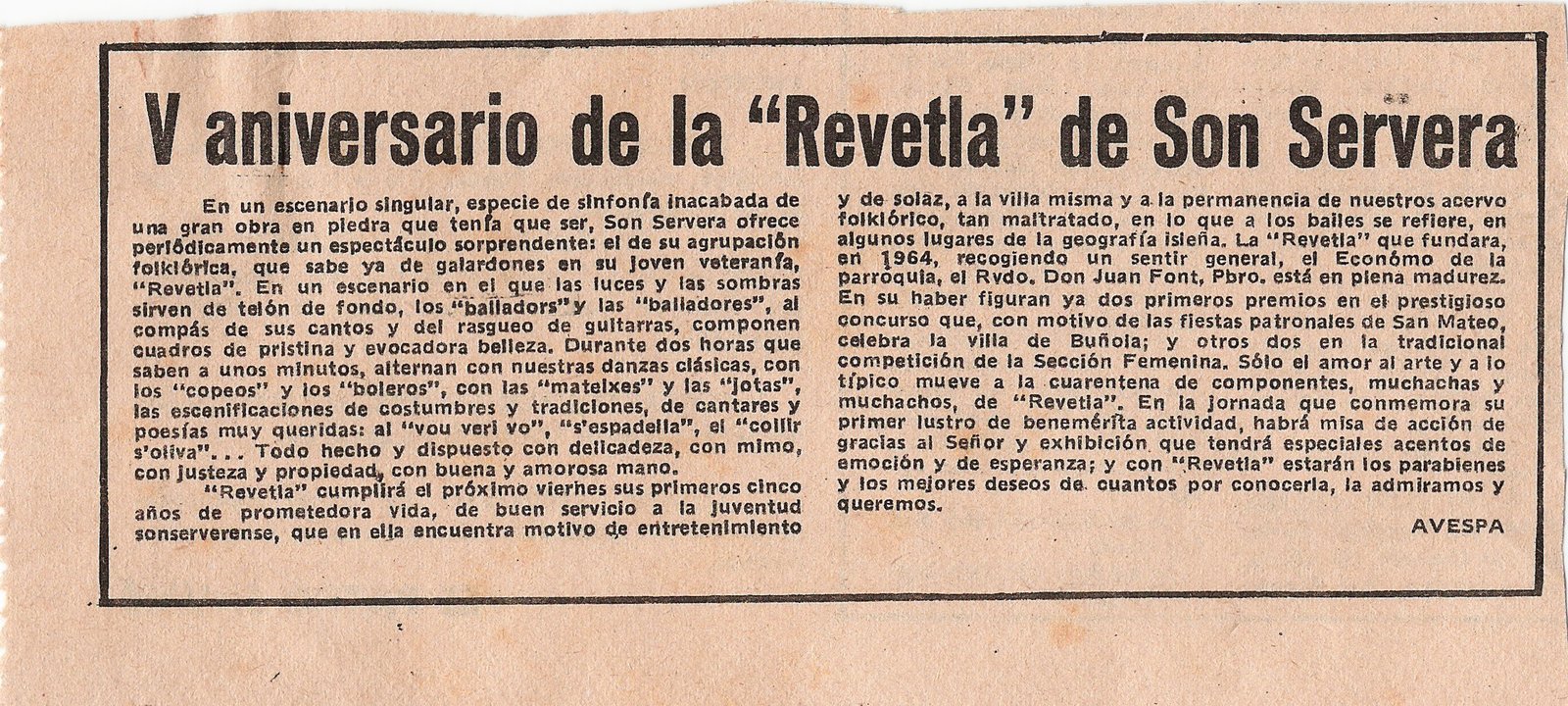
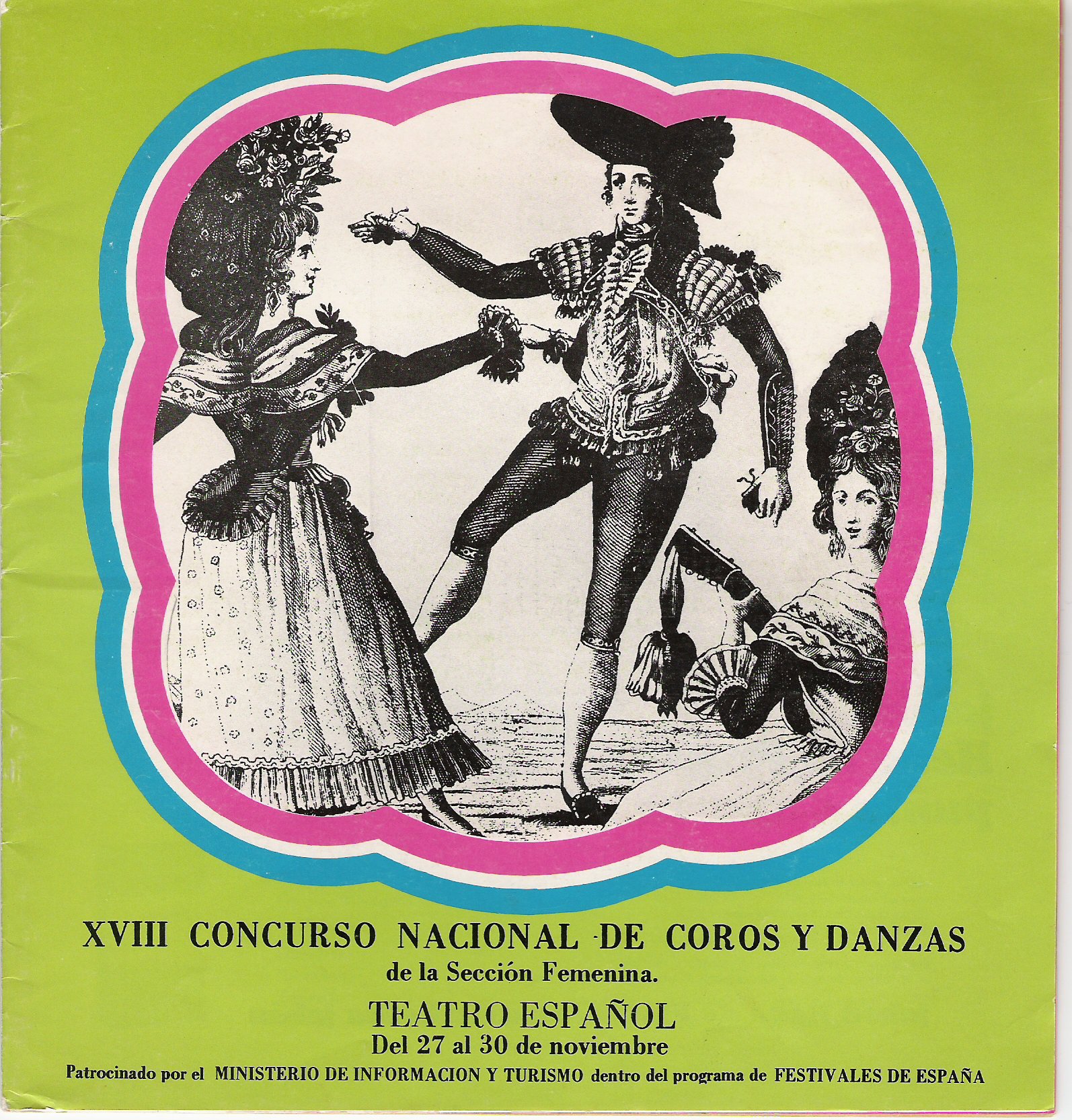
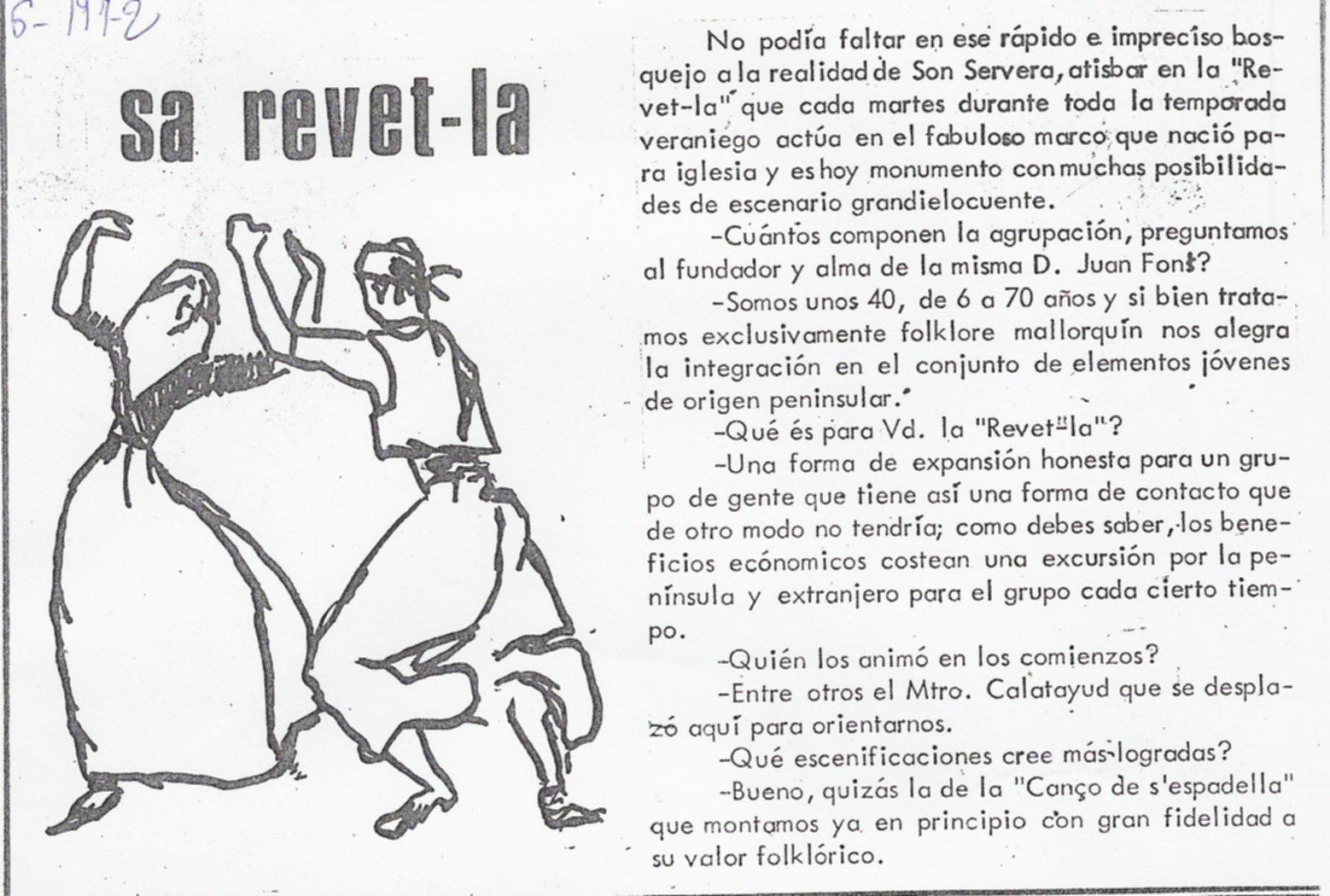
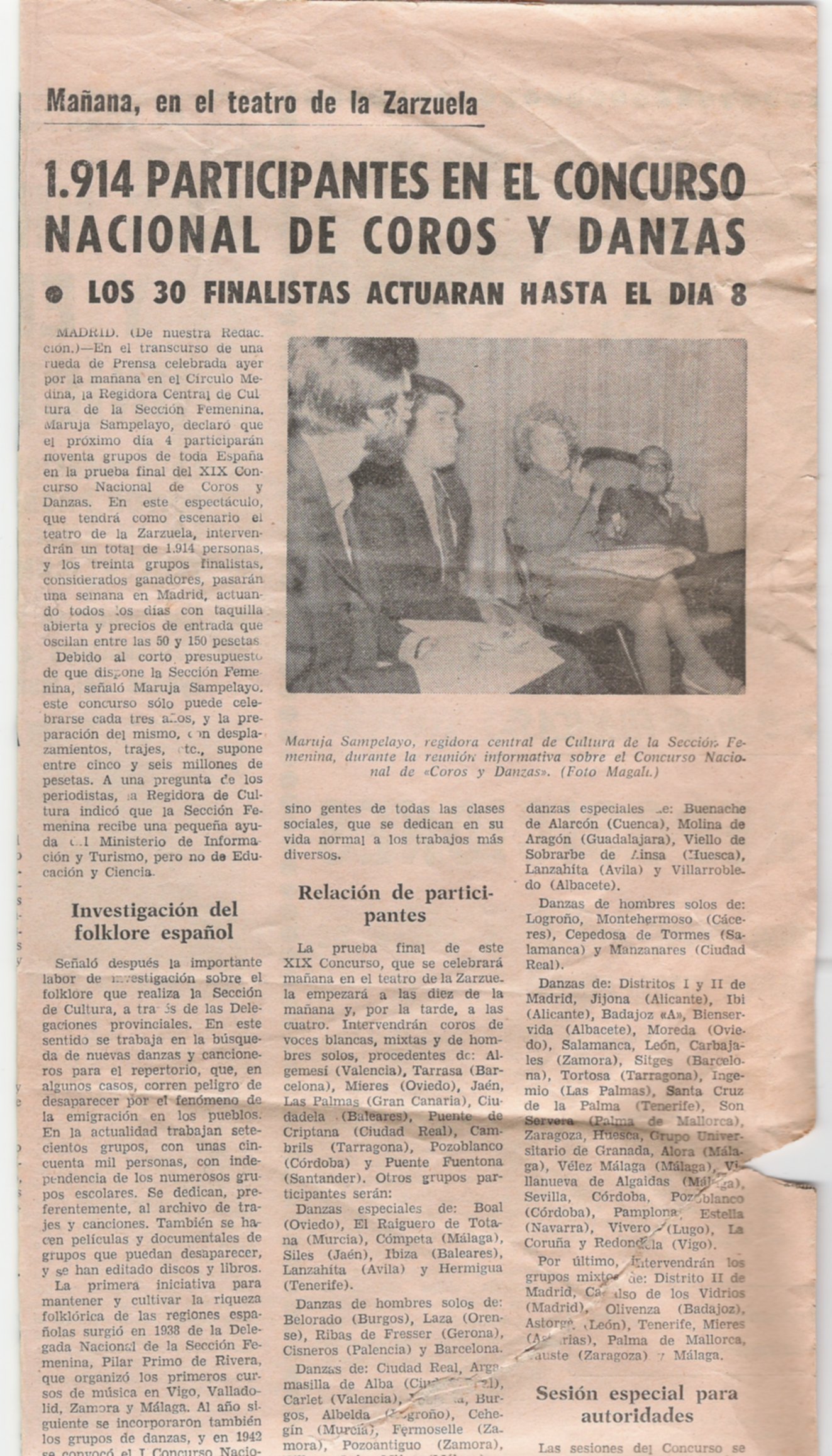
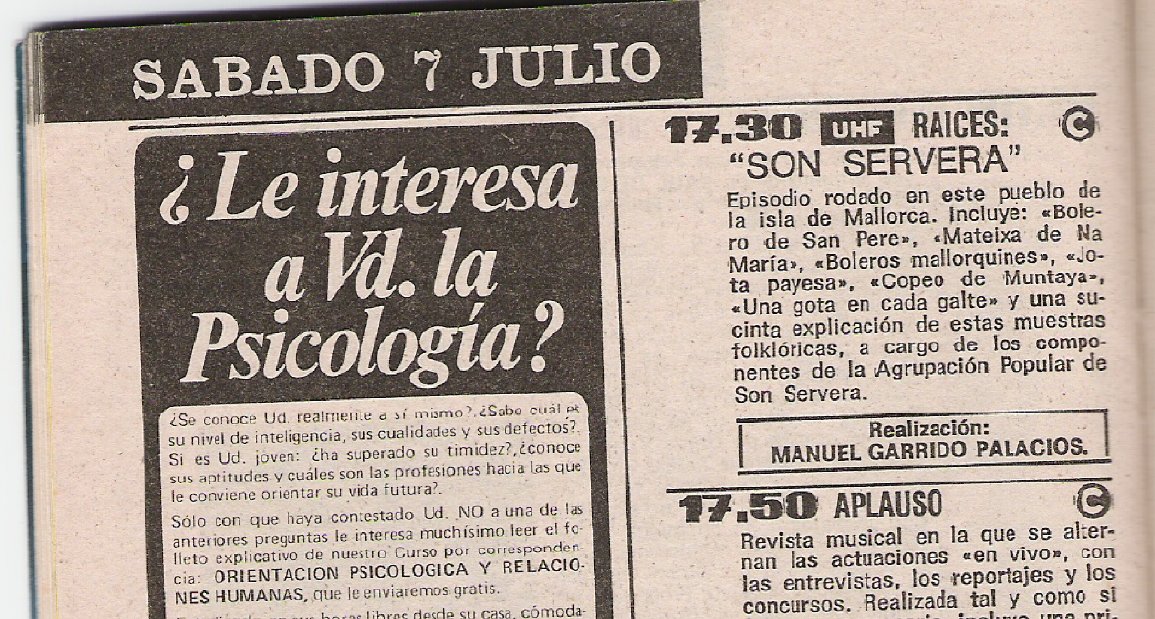
Over more than sixty years, Sa Revetla has appeared in numerous publications, hand programmes, posters and broadcasts. These documents form part of the group's historical memory.